
Uncategorized
Is Packman a Legit Disposable Vape Brand? The Honest Answer You Need to Read
Jun
Table of Contents
Introduction: A Brand That Raises More Questions Than It Answers
But is Packman actually a legit disposable vape brand?
That question, typed into search engines hundreds of thousands of times a month, deserves a genuinely honest answer — not a promotional blog post dressed up as a review, and not fearmongering designed to push you toward a competitor. This article is going to give you the real picture: what Packman is, what independent research and consumer experience suggest about its legitimacy, what the regulatory landscape looks like, what the counterfeiting problem means for buyers, and how to protect yourself if you choose to engage with this product category.
The answer, as you’ll discover, is complicated — and the complications matter.
1. What Is Packman Disposable Vape?
- Live resin filling: Cannabis oil extracted from flash-frozen plants to preserve terpene profiles
- Liquid diamonds: A form of THC-A crystalline concentrate for elevated potency
- High THC content: Marketed claims of over 90% THC in some formulations
- USB-C rechargeable battery: Allows users to fully consume the oil before the battery dies
- LED display: Some models feature a digital screen showing battery and oil levels
- Draw activation: No button required — simply inhale to use
The brand presents itself as a California-based company that caters to cannabis enthusiasts seeking a premium vaping experience. Its product line includes a wide range of strain-specific flavor options, from fruity and dessert-inspired profiles to classic cannabis terpene expressions. A sub-brand or collaboration called Melt X Packman has also emerged as a notable product line with its own following.
On paper, the product specification sounds impressive. But specifications are easy to print on a box. The more important question is whether those specifications reflect what’s actually inside — and that’s where the Packman story becomes significantly more complicated.
2. The Legitimacy Problem: What “Legit” Actually Means for a Vape Brand
Legitimacy can mean:
- Product authenticity: The brand is a real company with a consistent, accountable product (not dozens of unrelated sellers using the same name and packaging)
- Regulatory compliance: The product has received appropriate FDA or state-level licensing and testing approval
- Ingredient honesty: The product contains what it claims to contain, at the concentrations advertised
- Safety verification: The product has been independently lab-tested for pesticides, heavy metals, residual solvents, and other contaminants
- Consumer accountability: There is a real company behind the brand that stands behind its products and can be held responsible
One of the most significant findings from independent analysis is that the Packman brand, as a pre-filled product, does not appear to be a licensed, centrally regulated entity. Instead, it represents a widely counterfeited packaging style sold as empty hardware online, which countless unknown sellers fill with potentially dangerous, unregulated substances. This lack of a verifiable parent company with consistent manufacturing oversight is the central legitimacy problem.
There are multiple websites, each claiming to be the “official” Packman Disposables brand. One site describes a founder named “John Smith, a seasoned entrepreneur in the cannabis industry” who “started Packman Disposables to revolutionize the vape cartridge market.” The vagueness of this founding story — a common name, no verifiable business registration, no state license number — is a red flag for a brand operating in a regulated industry.
3. The Counterfeiting Crisis: Why the Packman Market Is Flooded with Fakes
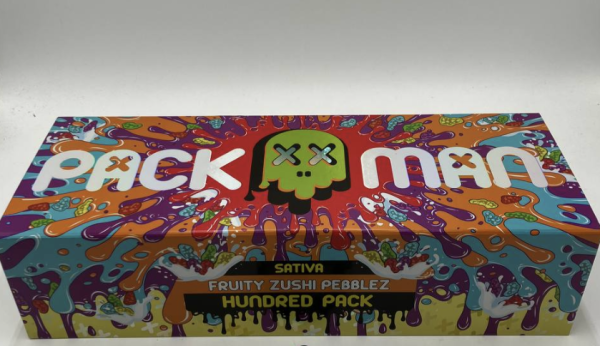
Much like popular vape brands such as Elf Bar or Lost Mary, Packman’s surge in popularity has attracted counterfeiters. These knockoffs often use poor-quality distillates or harmful additives, and they mimic the design of Packman vape down to the font and color — making it tough to spot the difference.
The counterfeit Packman disposable vape market has expanded significantly in 2024–2025, raising serious health concerns. Studies have found that fake Packman disposables contain dangerous chemicals including vitamin E acetate, heavy metals, and unknown additives that have been directly linked to severe lung injuries.
The mechanism of this counterfeiting is straightforward and revealing: the packaging and hardware designs are mass-produced and sold as empty shells on wholesale websites, meaning any individual or unregulated group can buy this empty hardware, fill it with completely unknown and untested substances, and sell it as a legitimate product.
This is the fundamental structural problem with Packman as a brand: if anyone can buy the packaging and fill it with anything, then the brand name itself becomes meaningless as a quality or safety signal. You cannot know, from the packaging alone, whether what you’re buying came from a consistent manufacturer with testing protocols or from someone with no accountability whatsoever.
The quickest way to know if your Packman disposable vape is real or fake is by closely inspecting its packaging and checking the product’s performance. Real Packman vapes have high-quality packaging, clear branding, and long-lasting performance. Counterfeits, on the other hand, often have blurry labels, spelling errors, and poor performance. But as counterfeit quality improves, even these visual checks become unreliable.
4. Regulatory Status: Where Does Packman Stand with the FDA and State Laws?
This is where the Packman legitimacy question becomes most serious.
For context on what regulatory compliance actually means in the vape space:
In 2025, the U.S. Food and Drug Administration maintains its authority under the Family Smoking Prevention and Tobacco Control Act, requiring all vaping products to obtain pre-market approval. The FDA evaluates ingredients, health risks, and marketing practices to ensure these products meet public health standards.
For cannabis-specific products, state-level licensing is the primary regulatory framework in legal cannabis markets. Licensed cannabis brands operating in states like California, Colorado, Nevada, and others must:
- Register with the state cannabis regulatory authority
- Submit products to licensed third-party testing laboratories
- Display a Certificate of Analysis (COA) with test results for potency, pesticides, heavy metals, and residual solvents
- Use child-resistant, compliant packaging
- Operate through licensed retail dispensaries
The challenge lies in verification — many products claiming “Packman” branding lack proper licensing and regulatory compliance. When consumers or researchers attempt to verify Packman’s licensing status through state cannabis regulatory databases, no consistent licensed entity corresponds to the brand across legal cannabis markets.
Many QR codes on Packman products redirect to fake verification sites designed to appear legitimate. This is a deliberate attempt to create the appearance of verifiable authenticity without the substance of it.
5. What Consumers Are Actually Experiencing
Positive experiences cited by users include:
- Strong, fast-acting effects consistent with high-THC oil
- Pleasant flavor profiles in certain runs
- Reliable hardware performance with USB-C charging working as advertised
- Convenient, discreet form factor
- Variety of strain options covering indicas, sativas, and hybrids
Negative experiences and complaints include:
- User reports from communities like r/rosin describe some Packman 2G live resin products as receiving poor ratings, with complaints that products “taste like vanilla instead of weed” and fail to produce expected effects.
- Products burning out or producing no vapor before the oil is consumed
- Significant variation between purchases — the same “flavor” producing very different experiences batch to batch
- Hardware failures including leaking, clogging, and battery issues
- Concerns about the source and purity of the oil
The variation in consumer experience itself tells you something important: a brand with consistent manufacturing and quality control produces consistent results. Extreme variability — where some batches are great and others are concerning — is a signature of an inconsistent supply chain with multiple producers of unknown quality.
6. How to Spot a Fake Packman Disposable
Packaging Inspection
Real Packman vapes have high-quality packaging with clear logos and security seals, while counterfeits often have blurry labels, spelling errors, and poor print quality.
Check for:
- Crisp, consistent typography with no spelling errors or font inconsistencies
- Holographic security seals that are genuine (not printed onto the packaging)
- Child-resistant packaging that functions as designed
- Clear strain and ingredient information
- Batch numbers and lot codes
Oil Appearance
Dark, discolored, or rapidly moving oil is a warning sign that the oil has been cut with thinning agents, is of poor quality, or has degraded.
QR Code and Verification
Many Packman products include a QR code that supposedly verifies authenticity. Scan it before using:
- It should direct to a consistent, professional-looking verification page
- The product details should match what’s on your packaging
- If your QR code doesn’t scan, leads to a suspicious website, or shows “product not found,” you likely have a counterfeit product.
Hardware Quality
Inspect the physical device:
- Mouthpiece should fit firmly with no wobble or gap
- USB-C charging port should be cleanly integrated
- LED display (on models that have one) should be crisp and functional
- Airflow should be consistent and smooth — not restricted or whistling
- No visible seam gaps, glue residue, or rough edges on the body
Price
This doesn’t mean high-priced Packman products are necessarily safe or authentic — but very low prices are a near-certain counterfeiting indicator.
7. The Real Health Risks You Should Know About
Fake carts may contain harmful chemicals, heavy metals, or synthetic cannabinoids. Many unregulated vape cartridges have been linked to lung illnesses and respiratory issues.
Independent laboratory analysis has frequently detected pesticide residues including myclobutanil, imidacloprid, and pyrethroids in unregulated cartridges. Additionally, disposable vapes can contain alarmingly high levels of toxic metals including lead, cadmium, chromium, and nickel in their vapor, which leach from substandard heating elements in counterfeit products, causing neurological damage, kidney problems, and increased cancer risk with prolonged exposure.
EVALI (E-cigarette or Vaping product use-Associated Lung Injury) is a documented and serious medical condition associated with vaping products containing vitamin E acetate — a substance used to dilute oils and increase profit margins on counterfeit products. Vitamin E acetate has been directly linked to severe lung injuries and death, and it has been found in counterfeit Packman disposables.
If you experience any of the following symptoms after using any unverified vape product, seek medical attention immediately:
- Persistent cough lasting more than three days
- Chest pain or tightness
- Shortness of breath during normal activities
- Fever, chills, or fatigue without other explanation
- Nausea or vomiting
These symptoms may indicate EVALI or heavy metal toxicity, both of which require prompt medical evaluation.
8. Price as a Signal: What Authentic Products Should Cost
Understanding realistic pricing for genuine cannabis vape products helps you contextualize what you’re being offered.
These prices reflect the real cost structure of legitimate cannabis vaping products:
- Cultivation and harvest: Premium cannabis for live resin requires careful cultivation practices
- Flash-freezing and extraction: The live resin process requires specialized equipment and expertise
- Third-party laboratory testing: Each batch must be tested by an accredited lab — this costs money
- State licensing and compliance fees: Licensed operators pay significant regulatory costs
- Packaging and hardware: Quality materials cost more than cheap alternatives
- Retail margin: Licensed dispensaries operate within taxed, regulated retail frameworks
9. Where Packman Products Are Actually Sold
The channel through which you purchase Packman products is one of the clearest indicators of what you’re actually buying.
Licensed Cannabis Dispensaries (Highest Safety)
In states with legal cannabis markets, licensed dispensaries are required by law to carry only products that have passed state-required testing. If a Packman product is legitimately available through a licensed dispensary in your state, with a displayed Certificate of Analysis, that represents the most credible purchasing scenario available.
Licensed Online Retailers
Some states allow online cannabis retail through licensed, age-verified platforms. Products sold through these channels are subject to the same testing requirements as dispensary products.
Unlicensed Online Sellers, Social Media Vendors, and Street Dealers
Street dealers and unlicensed online retailers represent the primary distribution channels for fake and unregulated Packman products.
Purchasing Packman or any cannabis vape product through Instagram DMs, Telegram channels, unlicensed websites, or street-level dealers means you have no assurance whatsoever about what is actually in the product. This is the highest-risk purchasing environment and should be avoided entirely.
Smoke Shops and Head Shops (Gray Area)
Smoke shops and head shops in non-legal or gray-market states exist in a complex legal and safety limbo. Products sold here may claim testing and authenticity, but without state cannabis regulatory oversight, these claims are unverified. Approach with significant caution.
10. Should You Buy Packman? A Balanced Assessment
Here is the honest, balanced assessment that the complexity of this brand demands.
Arguments that can be made in Packman’s favor:
- The product concept — 2G live resin disposables with quality hardware — represents a legitimate and valuable product category
- When obtained from trustworthy sources, some Packman 2G disposables deliver strong effects, good flavor, and reliable hardware performance with rechargeable battery functionality
- Sales of 2G disposables surged significantly in recent years, reflecting genuine consumer demand for the convenience and value they offer
- Some consumers report consistently positive experiences from specific, reliable sources
Arguments that counsel serious caution:
- No verifiable, centralized licensed manufacturer can be confirmed behind the brand
- The brand is aggressively counterfeited, and counterfeits have caused documented health harms
- Regulatory compliance with FDA or state cannabis licensing is not clearly established
- QR code verification systems have been counterfeited themselves
- Significant price variation suggests a highly inconsistent supply chain
- No verifiable batch-specific laboratory testing is publicly accessible for the brand
The bottom line on purchase decisions:
If you are in a legal cannabis state, purchase only from licensed dispensaries, and can obtain a batch-specific Certificate of Analysis showing testing for potency, pesticides, heavy metals, and residual solvents — then you are in the most defensible purchasing position available for this brand.
If you are purchasing from any other channel — unlicensed online, social media, smoke shops in non-legal states, or street-level sellers — the risk-benefit calculation is very unfavorable. The potential for receiving an adulterated, unsafe product is high, and the health consequences can be severe.
11. Safer Alternatives to Consider
If the uncertainty around Packman’s legitimacy concerns you — and it reasonably should — there are brands operating with clearly documented state licensing, publicly available laboratory results, and verifiable manufacturing accountability.
For cannabis vape products in legal markets, consider:
- Stiiizy: Stiiizy provides state-licensed 2G disposables with full cannabinoid profiles and contaminant screening, operating within California’s regulated cannabis framework with clearly documented licensing.
- Raw Garden: Known for their refined live resin cartridges with terpene preservation, they maintain transparent supply chains and publicly accessible COA documentation.
- Friendly Farms: Features genuine live resin extraction from single-strain sources with batch-specific COA documentation and maintains regulatory compliance through state licensing.
- Jeeter: Their live resin diamonds series maintains consistent quality through vertical integration of cultivation and extraction.
When evaluating any cannabis vape brand — not just Packman — the questions to ask are:
- Is this brand licensed in the state where I’m purchasing?
- Can I access the batch-specific COA for this product?
- Is this available at a licensed dispensary?
- Can the retailer provide verifiable information about the manufacturer?
Brands that answer all four questions clearly and affirmatively have demonstrated a commitment to the accountability that Packman, in its current market form, has not clearly established.
12. Final Verdict: The Bottom Line on Packman Legitimacy
So is Packman a legit disposable vape brand?
The most accurate answer is: the brand exists, the products exist, and some of them — purchased from the right sources — may perform as advertised. But the brand lacks the centralized, verifiable, licensed manufacturing accountability that defines a genuinely legitimate cannabis vape brand, and the counterfeiting problem is severe enough that purchasing Packman products outside of licensed dispensaries with verified COAs carries meaningful health risk.
The Packman brand occupies a complicated middle ground. It is not purely fictitious — products do exist, people do use them, and some experiences are positive. But it is also not a clearly legitimate, fully accountable brand in the way that licensed California cannabis companies with documented regulatory compliance are legitimate.
For consumers, this means:
- Don’t assume Packman packaging means Packman quality. The brand’s own packaging has been widely replicated by sellers with no connection to any original manufacturer.
- Price is a strong indicator. Products priced well below $40 for a 2G unit are almost certainly not meeting the standards the brand claims.
- Channel matters more than brand. Licensed dispensary + COA + reasonable price = defensible. Any other combination increases your risk substantially.
- Your health is worth more than the convenience. If you can’t verify what’s in it, the risk-benefit calculation for inhaling an unknown substance into your lungs is simply not favorable.
The vape market, and the cannabis vape market specifically, is evolving rapidly. Regulation is tightening, enforcement is increasing, and the options available through legitimate, licensed channels are expanding. The safest long-term path is to engage with that legitimate market — where accountability, testing, and consumer protection are real — rather than navigating the uncertainty that brands like Packman, in their current form, present.
Frequently Asked Questions
Q: Are Packman vapes real THC products? Some are, some aren’t. The brand’s lack of centralized licensed manufacturing means the contents vary significantly depending on who filled the hardware. Purchasing through licensed channels with COA verification gives you the best chance of getting what’s advertised.
Q: How can I verify my Packman disposable is authentic? Check packaging quality, scan the QR code, inspect the oil’s color and viscosity, and most importantly — purchase from a licensed dispensary that can show you batch testing results. QR codes alone are not reliable as verification systems because they can be counterfeited.
Q: Is Packman vape legal? This depends entirely on your jurisdiction. Cannabis products are legal in some states with proper licensing. Products sold outside licensed channels in any state lack regulatory verification regardless of what’s on the label. Always check your local laws.
Q: What should I do if I’ve used Packman vapes and feel unwell? Seek medical attention immediately if you experience respiratory symptoms, chest pain, persistent cough, or fever after vaping any product. Tell your healthcare provider what you used. EVALI and heavy metal toxicity are real conditions associated with unverified vape products.
Q: What’s the safest disposable vape brand for cannabis? In legal markets, brands like Stiiizy, Raw Garden, Friendly Farms, and Jeeter operate with verified state licensing and publicly available COA documentation. Always purchase from licensed dispensaries.
Disclaimer: This article is for informational purposes only and does not constitute legal, medical, or financial advice. Cannabis laws vary by jurisdiction — always check and follow the laws in your area. If you have health concerns related to vaping, consult a qualified healthcare professional.
